

When DIY Heating Fixes Become Dangerous: What Los Angeles Homeowners Need to Know Before Attempting Repairs
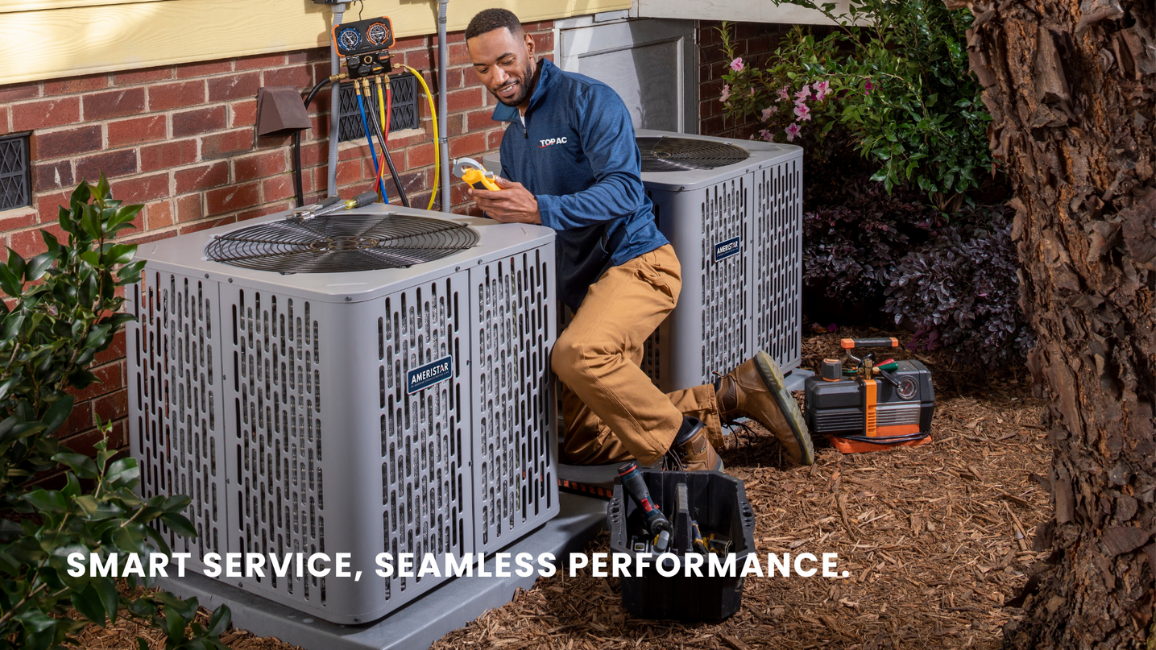
HVAC Repair Canoga park

Top Ac - Heating and Air Condtioning
As cooler winter nights arrives, many homeowners are turning to do-it-yourself heating fixes to restore comfort quickly and reduce service costs.
From older gas furnaces in mid-century homes to newer heat pump systems installed to meet California’s energy goals, residential heating systems in Los Angeles are complex and highly regulated. Attempting repairs without proper licensing and training can result in gas leaks, carbon monoxide exposure, electrical hazards, and fire risks—issues that often remain hidden until serious damage occurs.
The Growing DIY Heating Trend in Los Angeles
Rising utility bills, widespread online tutorials, and social media “quick fixes” have encouraged more homeowners to troubleshoot heating problems themselves. Common searches among Los Angeles residents include “heater not turning on,” “furnace blowing cold air,” and “DIY heater repair.”
However, many Los Angeles homes were built decades ago and later retrofitted with modern heating equipment. These mixed systems often include aging ductwork, upgraded electrical panels, and gas lines that require professional handling. What appears to be a simple fix can quickly turn into a safety hazard.
DIY Heating Tasks That Are Generally Safe for Homeowners
Heating professionals agree that some maintenance tasks can be performed safely by homeowners when done carefully:
➤ Replacing or cleaning air filters
➤ Ensuring vents and returns are not blocked
➤ Checking thermostat batteries and temperature settings
➤ Clearing debris around outdoor heat pump units
These actions can improve airflow, efficiency, and comfort without interfering with critical safety components.
When DIY Heating Fixes Become Dangerous
Problems begin when homeowners attempt repairs involving gas, electricity, or internal system controls. The following DIY actions are considered high-risk and unsafe:
➤ Adjusting gas valves or pilot lights
➤ Attempting furnace ignition or burner repairs
➤ Modifying wiring, circuit boards, or control panels
➤ Bypassing safety sensors or limit switches
➤ Opening sealed combustion chambers
These components are designed to prevent fires, explosions, and toxic gas exposure. Improper handling can disable safety systems and create immediate or delayed dangers.
Los Angeles–Specific Risks Homeowners Often Overlook
Heating systems in Los Angeles must comply with strict state and local codes, emissions standards, and energy efficiency regulations. DIY repairs that are legal in other regions may violate California requirements, resulting in:
➤ Failed home or rental inspections
➤ Voided manufacturer warranties
➤ Denied insurance claims after incidents
➤ Costly corrections during home sales
Additionally, Los Angeles has seen rapid adoption of heat pumps and hybrid systems. These systems rely on advanced electrical components and smart controls that require licensed expertise to service safely.
The Hidden Cost of DIY Heating Repairs
While DIY repairs may appear to save money initially, professionals report that many emergency service calls involve correcting failed DIY attempts. Common consequences include:
➤ Burned control boards
➤ Cracked heat exchangers
➤ Electrical shorts and damaged wiring
➤ Reduced system lifespan
In some cases, systems must be fully replaced due to safety violations or irreversible damage caused by unqualified repairs.
Warning Signs That Require Immediate Professional Help
Los Angeles homeowners should stop DIY efforts and contact a licensed heating professional immediately if they notice:
➤ Gas or burning odors
➤ Repeated system cycling or sudden shutdowns
➤ Loud banging, popping, or grinding noises
➤ Yellow or flickering burner flames
➤ Headaches, dizziness, or nausea indoors
These warning signs may indicate gas leaks, airflow restrictions, or carbon monoxide exposure—issues that can escalate rapidly.
A Safer Approach for Los Angeles Homeowners
Heating experts recommend a balanced approach: homeowners should stay involved through routine maintenance and awareness, while leaving gas, electrical, and internal repairs to licensed professionals. Annual inspections and early intervention remain the most effective ways to prevent emergencies, reduce costs, and protect household safety.
For Los Angeles residents, understanding where DIY ends—and professional service begins—can make the difference between a warm home and a dangerous situation.
For homeowners across Los Angeles, the message is clear: when it comes to heating systems, convenience should never outweigh safety.
Itai Kolet
Top Ac Inc
+1 855-999-8672
email us here
Visit us on social media:
LinkedIn
Instagram
Facebook
YouTube
Other
HVAC Contractors Los Angeles
Legal Disclaimer:
EIN Presswire provides this news content "as is" without warranty of any kind. We do not accept any responsibility or liability for the accuracy, content, images, videos, licenses, completeness, legality, or reliability of the information contained in this article. If you have any complaints or copyright issues related to this article, kindly contact the author above.
